

- English
 Español
 Português
 русский
 Français
 日本語
日本語 Deutsch
 tiếng Việt
 Italiano
 Nederlands
 ภาษาไทย
 Polski
 한국어
한국어 Svenska
 magyar
 Malay
Malay বাংলা ভাষার
 Dansk
Dansk Suomi
Suomi हिन्दी
 Pilipino
 Türkçe
 Gaeilge
 العربية
 Indonesia
 Norsk
Norsk تمل
تمل český
český ελληνικά
 український
 Javanese
 فارسی
فارسی தமிழ்
தமிழ் తెలుగు
 नेपाली
 Burmese
 български
 ລາວ
ລາວ Latine
 Қазақша
 Euskal
 Azərbaycan
 Slovenský jazyk
 Македонски
 Lietuvos
 Eesti Keel
 Română
 Slovenski

Can a Sprayer Robot Revolutionize Modern Agriculture and Industrial Spraying Efficiency
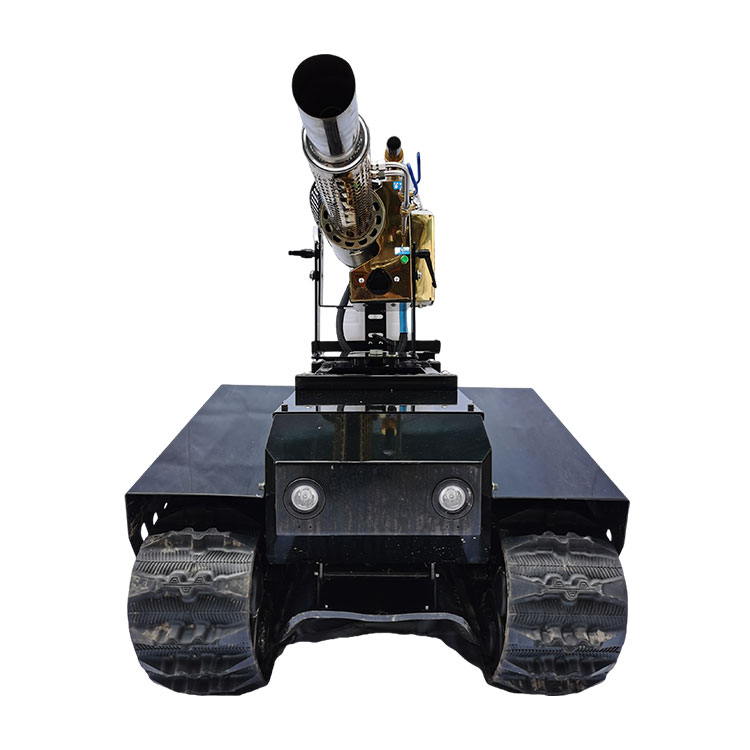
The rapid advancement of agricultural automation has made the Sprayer Robot one of the most transformative innovations in precision farming and industrial spraying applications. Designed to optimize pesticide distribution, reduce chemical waste, and minimize human exposure to hazardous substances, modern sprayer robots integrate AI navigation, autonomous mobility, and smart spraying control systems.
In this in-depth guide, we explore how sprayer robots work, their key technologies, performance advantages, application scenarios, ROI potential, and how manufacturers like Luckyram are leading the innovation in intelligent spraying solutions.
📑 Table of Contents
- 1. What Is a Sprayer Robot?
- 2. How Does a Sprayer Robot Work?
- 3. Key Benefits of Using a Sprayer Robot
- 4. Sprayer Robot vs Traditional Spraying Methods
- 5. Application Scenarios
- 6. Core Technologies Behind Smart Sprayer Robots
- 7. Return on Investment Analysis
- 8. How to Choose the Right Sprayer Robot
- 9. Future Trends in Autonomous Spraying
- 10. FAQ
1️⃣ What Is a Sprayer Robot?
A Sprayer Robot is an autonomous or semi-autonomous machine designed to apply pesticides, herbicides, fertilizers, disinfectants, or industrial coatings with high precision and minimal human intervention.
Unlike traditional tractor-mounted sprayers or manual backpack systems, a sprayer robot uses intelligent navigation systems, programmable spray patterns, and sensor-based targeting to optimize coverage while reducing chemical waste.
- Autonomous navigation
- Precision spray control
- Obstacle detection
- Remote monitoring
- Energy-efficient power systems
2️⃣ How Does a Sprayer Robot Work?
Modern sprayer robots operate through a combination of GPS positioning, AI vision systems, and programmable spraying algorithms.
Core Working Process:
- Field mapping and route planning
- Autonomous navigation between rows
- Target identification (weeds, crops, or surfaces)
- Precision spraying activation
- Data collection and performance reporting
Some advanced systems integrate RTK positioning and real-time variable-rate spraying technology, significantly increasing accuracy in large-scale agricultural operations.
3️⃣ Key Benefits of Using a Sprayer Robot
| Benefit | Description | Impact |
|---|---|---|
| Precision Application | Targeted spraying reduces overspray | Lower chemical cost |
| Labor Reduction | Automated operation minimizes manual work | Reduced workforce dependency |
| Safety Enhancement | Limits human exposure to chemicals | Improved worker health |
| Operational Efficiency | Consistent performance across large areas | Higher productivity |
4️⃣ Sprayer Robot vs Traditional Spraying Methods
| Feature | Sprayer Robot | Traditional Sprayer |
|---|---|---|
| Automation | Fully/Partially Autonomous | Manual/Tractor Dependent |
| Precision | High (AI-controlled) | Moderate |
| Chemical Usage | Optimized | Higher Consumption |
| Long-Term Cost | Lower | Higher |
5️⃣ Application Scenarios
🌾 Agriculture
- Orchards
- Vineyards
- Greenhouses
- Row crops
🏭 Industrial
- Warehouse disinfection
- Construction site dust suppression
- Large-area sanitation
Companies like Luckyram are developing high-performance sprayer robots tailored for both agricultural and industrial use cases.
6️⃣ Core Technologies Behind Smart Sprayer Robots
- AI Vision Recognition
- RTK-GPS Navigation
- Variable Rate Technology (VRT)
- Battery Management Systems
- Cloud Data Integration
These technologies ensure consistent droplet size control, adaptive pressure regulation, and route optimization.
7️⃣ Return on Investment Analysis
While the initial investment in a sprayer robot may appear higher than traditional systems, long-term operational savings often justify the cost.
- Up to 30% reduction in chemical usage
- 40–60% labor savings
- Improved crop yield consistency
- Reduced downtime
Over a 3–5 year period, many farms report significant ROI improvements through automation.
8️⃣ How to Choose the Right Sprayer Robot
- Field size and terrain type
- Tank capacity requirements
- Battery endurance
- Navigation accuracy
- After-sales technical support
Evaluating supplier expertise is crucial. Working with experienced manufacturers like Luckyram ensures long-term reliability and technical support.
9️⃣ Future Trends in Autonomous Spraying
The integration of AI-powered analytics, IoT monitoring systems, and machine learning will continue to enhance sprayer robot capabilities.
- Fully autonomous fleet coordination
- Drone and ground robot collaboration
- Real-time disease detection
- Carbon footprint optimization
🔟 Frequently Asked Questions (FAQ)
Q1: Are sprayer robots suitable for small farms?
Yes, compact models are designed specifically for small and medium-scale operations.
Q2: How accurate is a sprayer robot?
Advanced systems with RTK positioning can achieve centimeter-level accuracy.
Q3: What maintenance is required?
Routine cleaning, nozzle inspection, battery checks, and software updates.
Q4: Can sprayer robots operate at night?
Yes, many systems include night-vision sensors and LED lighting for 24/7 operation.
🚀 Final Thoughts
The Sprayer Robot represents a major shift toward automation, sustainability, and precision in agriculture and industrial spraying. By reducing chemical waste, improving worker safety, and maximizing efficiency, intelligent spraying systems are shaping the future of modern farming.
If you are considering upgrading your spraying operations with advanced automation technology, now is the perfect time to explore innovative solutions from Luckyram. For customized sprayer robot systems tailored to your specific application needs, contact us today and discover how intelligent spraying can transform your business.
Send Inquiry



X
We use cookies to offer you a better browsing experience, analyze site traffic and personalize content. By using this site, you agree to our use of cookies.
Privacy Policy