

- English
 Español
 Português
 русский
 Français
 日本語
日本語 Deutsch
 tiếng Việt
 Italiano
 Nederlands
 ภาษาไทย
 Polski
 한국어
한국어 Svenska
 magyar
 Malay
Malay বাংলা ভাষার
 Dansk
Dansk Suomi
Suomi हिन्दी
 Pilipino
 Türkçe
 Gaeilge
 العربية
 Indonesia
 Norsk
Norsk تمل
تمل český
český ελληνικά
 український
 Javanese
 فارسی
فارسی தமிழ்
தமிழ் తెలుగు
 नेपाली
 Burmese
 български
 ລາວ
ລາວ Latine
 Қазақша
 Euskal
 Azərbaycan
 Slovenský jazyk
 Македонски
 Lietuvos
 Eesti Keel
 Română
 Slovenski

Why Is a Snowplow Robot Becoming the Smartest Solution for Modern Snow Removal
As winter weather becomes increasingly unpredictable, homeowners, commercial property managers, and municipalities are searching for more efficient ways to handle snow removal. A Snowplow Robot offers an innovative, automated solution that combines advanced navigation, intelligent obstacle avoidance, and powerful snow-clearing performance. In this article, we explore how a Snowplow Robot works, its key benefits, applications, technical features, and why companies such as Luckyram are helping drive the future of autonomous snow management technology.
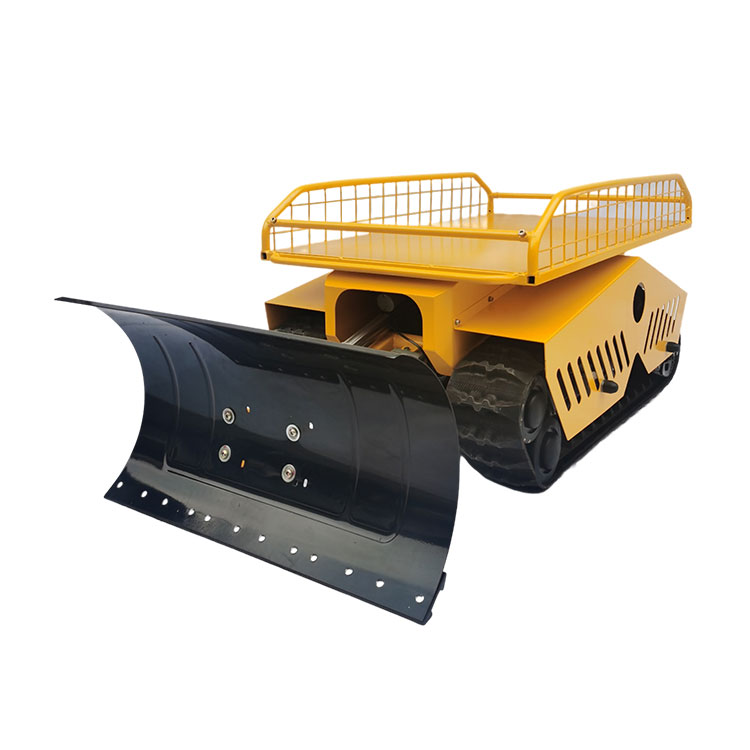
Table of Contents
- What Is a Snowplow Robot?
- Why Snow Removal Automation Matters
- How Does a Snowplow Robot Work?
- Key Features of Modern Snowplow Robots
- Snowplow Robot vs Traditional Snow Removal Methods
- Applications Across Different Industries
- Major Benefits of Investing in a Snowplow Robot
- How to Choose the Right Snowplow Robot
- Future Trends in Autonomous Snow Removal
- Frequently Asked Questions
- Conclusion
What Is a Snowplow Robot?
A Snowplow Robot is an autonomous or semi-autonomous machine designed to clear snow from roads, sidewalks, parking lots, driveways, campuses, industrial sites, and public spaces without requiring continuous human operation. Equipped with sensors, cameras, GPS positioning systems, and intelligent control software, these robotic machines can navigate designated areas while efficiently pushing or removing accumulated snow.
Unlike traditional snowplows that require an operator, robotic snowplows can perform repetitive snow-clearing tasks automatically, reducing labor requirements and increasing operational efficiency.
Why Snow Removal Automation Matters
Snow accumulation presents significant challenges in regions with harsh winters. Delayed snow removal can lead to:
- Traffic disruptions
- Pedestrian safety hazards
- Business interruptions
- Property damage
- Increased operational costs
- Liability risks from slips and falls
Traditional snow removal methods often depend heavily on labor availability and weather conditions. Automation addresses these issues by providing reliable and consistent snow-clearing performance around the clock.
How Does a Snowplow Robot Work?
Modern Snowplow Robots integrate multiple advanced technologies to achieve autonomous operation.
Navigation System
GPS positioning and route mapping enable the robot to identify designated snow-clearing zones and maintain precise movement paths.
Obstacle Detection
LiDAR sensors, ultrasonic sensors, and cameras continuously monitor surroundings to detect obstacles, pedestrians, vehicles, and unexpected objects.
Snow-Clearing Mechanism
Depending on the model, robotic snowplows may use:
- Front-mounted snow blades
- Rotary brushes
- Snow blowers
- Auger systems
Remote Monitoring
Operators can monitor machine performance, battery status, routes, and operational data through mobile applications or cloud-based management platforms.
Key Features of Modern Snowplow Robots
The latest Snowplow Robots offer a range of intelligent features designed to maximize efficiency and safety.
| Feature | Function | Benefit |
|---|---|---|
| Autonomous Navigation | Follows programmed routes | Reduces human intervention |
| Obstacle Avoidance | Detects and bypasses obstacles | Improves safety |
| Remote Control | Allows manual override | Flexible operation |
| Electric Power System | Battery-powered operation | Lower emissions and noise |
| Cloud Connectivity | Real-time monitoring | Enhanced fleet management |
| Weather Resistance | Operates in extreme conditions | Reliable winter performance |
Snowplow Robot vs Traditional Snow Removal Methods
| Criteria | Snowplow Robot | Traditional Snow Removal |
|---|---|---|
| Labor Requirement | Minimal | High |
| Operational Consistency | Excellent | Operator-dependent |
| Operating Cost | Lower Long-Term | Higher Recurring Costs |
| Safety | Advanced Sensors | Manual Operation Risks |
| Environmental Impact | Lower Emissions | Higher Fuel Consumption |
| 24/7 Operation | Available | Limited |
Although the initial investment may be higher, Snowplow Robots often provide significant long-term savings through reduced labor expenses and improved operational efficiency.
Applications Across Different Industries
Snowplow Robots can be deployed across a wide variety of environments.
Commercial Properties
- Shopping centers
- Office complexes
- Hotels
- Retail facilities
Municipal Infrastructure
- Public sidewalks
- Town squares
- Transit stations
- Pedestrian zones
Educational Institutions
- Universities
- School campuses
- Research facilities
Industrial Facilities
- Warehouses
- Manufacturing plants
- Logistics centers
- Distribution hubs
Residential Communities
- Apartment complexes
- Private communities
- Residential driveways
Major Benefits of Investing in a Snowplow Robot
Reduced Labor Costs
Automated snow-clearing operations reduce dependence on seasonal labor and overtime expenses.
Improved Safety
Autonomous obstacle detection minimizes risks to both operators and pedestrians.
Consistent Performance
Robotic systems maintain reliable operation regardless of staffing availability.
Environmental Sustainability
Many modern robotic snowplows utilize electric power systems that generate lower emissions than conventional fuel-powered equipment.
Scalable Fleet Management
Organizations can deploy multiple units simultaneously while monitoring performance from a centralized control platform.
How to Choose the Right Snowplow Robot
When selecting a Snowplow Robot, consider the following factors:
- Coverage area size
- Average snowfall levels
- Battery capacity
- Operating duration
- Navigation accuracy
- Obstacle avoidance capability
- Remote monitoring functions
- Maintenance requirements
- Weather resistance rating
- Technical support availability
Evaluating these criteria helps ensure the selected system meets both current and future operational requirements.
Future Trends in Autonomous Snow Removal
The snow-removal industry is rapidly embracing artificial intelligence and automation technologies.
Future Snowplow Robots are expected to feature:
- AI-powered route optimization
- Enhanced machine learning algorithms
- Fully autonomous fleet coordination
- Improved battery technologies
- 5G-enabled communication systems
- Predictive weather integration
- Smart city infrastructure connectivity
These advancements will further improve efficiency, safety, and cost-effectiveness while supporting sustainable winter maintenance operations.
Frequently Asked Questions
1. What is the primary purpose of a Snowplow Robot?
A Snowplow Robot is designed to automatically remove snow from designated areas while minimizing manual labor and improving operational efficiency.
2. Can Snowplow Robots operate during heavy snowfall?
Yes. Most commercial-grade models are engineered to function in challenging winter conditions and can continuously clear snow during active snowfall events.
3. Are Snowplow Robots environmentally friendly?
Many modern units utilize electric power systems, reducing emissions and noise pollution compared to traditional fuel-powered equipment.
4. How safe are autonomous snow-clearing robots?
Advanced sensors, cameras, and obstacle detection systems help ensure safe operation around pedestrians, vehicles, and infrastructure.
5. Which industries benefit most from Snowplow Robots?
Commercial property management, municipalities, universities, logistics facilities, industrial sites, and residential communities all benefit from autonomous snow-clearing technology.
6. What maintenance does a Snowplow Robot require?
Routine maintenance typically includes battery inspections, sensor cleaning, software updates, blade checks, and periodic system diagnostics.
Conclusion
The growing demand for safer, smarter, and more efficient winter maintenance solutions has accelerated the adoption of Snowplow Robots worldwide. By combining autonomous navigation, intelligent obstacle avoidance, and advanced snow-clearing capabilities, these robotic systems are transforming how snow management is performed across commercial, municipal, industrial, and residential environments. As technology continues to evolve, Snowplow Robots will play an increasingly important role in reducing operational costs, improving safety, and supporting sustainable infrastructure management.
If you are looking for a reliable and innovative Snowplow Robot solution, Luckyram offers advanced robotic snow removal technologies designed to meet diverse operational needs. Whether you require autonomous snow-clearing solutions for commercial facilities, industrial sites, campuses, or public infrastructure projects, contact us today to discover how our intelligent robotic systems can help optimize your winter maintenance operations and improve long-term efficiency.
Send Inquiry



X
We use cookies to offer you a better browsing experience, analyze site traffic and personalize content. By using this site, you agree to our use of cookies.
Privacy Policy