

- English
 Español
 Português
 русский
 Français
 日本語
日本語 Deutsch
 tiếng Việt
 Italiano
 Nederlands
 ภาษาไทย
 Polski
 한국어
한국어 Svenska
 magyar
 Malay
Malay বাংলা ভাষার
 Dansk
Dansk Suomi
Suomi हिन्दी
 Pilipino
 Türkçe
 Gaeilge
 العربية
 Indonesia
 Norsk
Norsk تمل
تمل český
český ελληνικά
 український
 Javanese
 فارسی
فارسی தமிழ்
தமிழ் తెలుగు
 नेपाली
 Burmese
 български
 ລາວ
ລາວ Latine
 Қазақша
 Euskal
 Azərbaycan
 Slovenský jazyk
 Македонски
 Lietuvos
 Eesti Keel
 Română
 Slovenski

Is the Electric Tracked Transportation Robot the Future of Heavy-Duty Smart Material Handling in Complex Terrains
Abstract: The Electric Tracked Transportation Robot is rapidly transforming industrial logistics by offering stable, intelligent, and energy-efficient material handling solutions across rugged terrains and demanding environments. This article explores its structure, features, applications, and technical advantages, with insights into how companies like Luckyram integrate this technology into modern industrial operations.
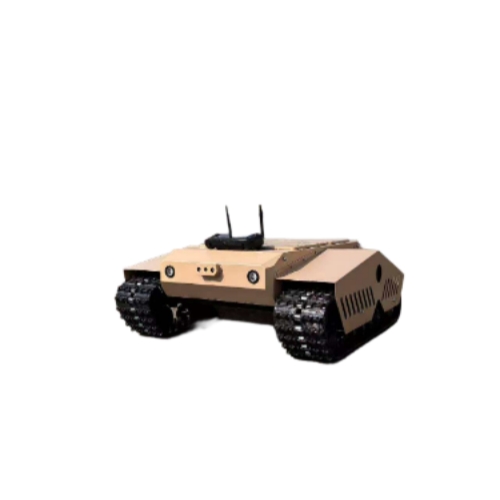
Table of Contents
- Overview of Electric Tracked Transportation Robot
- Key Features and Functional Design
- Technical Parameters and Specifications
- Industrial Applications
- Core Advantages
- Working Principle
- Maintenance and Selection Guide
- FAQ
- Conclusion
Overview of Electric Tracked Transportation Robot
The Electric Tracked Transportation Robot is an advanced logistics automation solution designed for transporting heavy materials across uneven, muddy, sandy, or sloped terrains. With its crawler-track design and electric drive system, it provides exceptional stability and load-bearing capacity while minimizing environmental impact. Companies like Luckyram are increasingly adopting the Electric Tracked Transportation Robot to enhance operational efficiency, reduce labor costs, and improve safety in complex industrial environments.
Unlike traditional wheeled transport systems, this robot distributes weight evenly across its tracked base, ensuring smooth movement even under extreme conditions. Its intelligent control system allows precise navigation, making it suitable for construction sites, agriculture, mining, and emergency rescue operations.
Key Features and Functional Design
The Electric Tracked Transportation Robot is engineered with a combination of mechanical durability and intelligent automation. Its core features include:
- All-terrain tracked mobility: Ensures stable movement on sand, gravel, mud, and slopes.
- Electric drive system: Provides low noise, zero emissions, and energy efficiency.
- High load capacity: Designed for transporting heavy industrial materials.
- Intelligent control system: Supports remote operation and semi-autonomous navigation.
- Modular platform design: Allows customization for different industrial tasks.
These features make the Electric Tracked Transportation Robot a flexible and scalable solution for modern logistics challenges.
Technical Parameters and Specifications
The following table presents typical technical parameters of a standard Electric Tracked Transportation Robot system:
| Parameter | Specification |
|---|---|
| Load Capacity | 500 kg – 5000 kg (customizable) |
| Drive System | Electric motor + crawler track system |
| Speed Range | 0 – 8 km/h |
| Battery Type | Lithium-ion high-capacity battery |
| Operating Time | 6 – 12 hours per charge |
| Control Mode | Remote control / Semi-autonomous |
| Terrain Adaptability | Mud, gravel, sand, snow, slope ≤ 30° |
Industrial Applications
The Electric Tracked Transportation Robot is widely used across multiple industries due to its adaptability and robust design. Common application scenarios include:
- Construction sites: Transporting cement, steel, and construction materials.
- Mining industry: Moving ores and equipment in rugged underground or open-pit environments.
- Agriculture: Handling crops, fertilizers, and agricultural machinery.
- Forestry operations: Assisting in log transportation across uneven terrain.
- Emergency rescue: Delivering supplies in disaster-affected areas.
Its versatility makes it an essential tool for industries that require reliable off-road transportation solutions.
Core Advantages
The Electric Tracked Transportation Robot offers several competitive advantages over traditional material handling systems:
- Enhanced stability: Track-based design minimizes tipping risks.
- Energy efficiency: Electric power reduces fuel dependency and operational costs.
- Reduced labor intensity: Automation reduces human workload and safety risks.
- Environmental sustainability: Zero emissions during operation.
- High adaptability: Performs reliably across extreme terrain conditions.
These advantages significantly improve productivity and operational safety in demanding environments.
Working Principle
The Electric Tracked Transportation Robot operates through a coordinated system of electric propulsion, intelligent control algorithms, and mechanical track movement. The electric motor generates torque, which is transferred to the crawler tracks via a reduction gearbox. This enables smooth and controlled movement even under heavy loads.
The onboard control system allows operators to remotely guide the robot or set predefined routes. Sensors continuously monitor terrain conditions, load balance, and obstacle proximity, ensuring safe and efficient operation at all times.
Maintenance and Selection Guide
To ensure long-term performance of the Electric Tracked Transportation Robot, proper maintenance and selection are essential:
- Regularly inspect track wear and tension.
- Maintain battery health through proper charging cycles.
- Check motor and gearbox lubrication periodically.
- Ensure control system firmware is updated.
- Select load capacity based on actual operational needs.
Choosing the right configuration from manufacturers like Luckyram ensures optimal performance and extended equipment lifespan.
FAQ
Q1: What terrains can the Electric Tracked Transportation Robot handle?
It can operate on mud, sand, gravel, snow, and steep slopes up to 30 degrees.
Q2: Is the robot fully autonomous?
Most models are semi-autonomous with remote control, while advanced versions support autonomous navigation.
Q3: How long does the battery last?
Depending on load and usage, it typically operates for 6 to 12 hours per charge.
Q4: Can it be customized?
Yes, the platform is modular and can be customized for specific industrial requirements.
Q5: What industries benefit most from it?
Construction, mining, agriculture, forestry, and emergency rescue sectors benefit significantly.
Conclusion
The Electric Tracked Transportation Robot represents a major step forward in intelligent industrial logistics, combining durability, automation, and environmental efficiency into a single system. As industries continue to evolve toward smarter operations, solutions like this are becoming essential for maintaining competitiveness and safety.
Manufacturers such as Luckyram are at the forefront of this transformation, delivering reliable and customizable robotic transportation solutions for global industrial needs. If you are looking to upgrade your material handling system, improve efficiency, and reduce operational costs, now is the ideal time to explore what this technology can offer. For tailored solutions and expert support, please contact us today and take the next step toward smarter industrial mobility.
Send Inquiry



X
We use cookies to offer you a better browsing experience, analyze site traffic and personalize content. By using this site, you agree to our use of cookies.
Privacy Policy