

- English
 Español
 Português
 русский
 Français
 日本語
日本語 Deutsch
 tiếng Việt
 Italiano
 Nederlands
 ภาษาไทย
 Polski
 한국어
한국어 Svenska
 magyar
 Malay
Malay বাংলা ভাষার
 Dansk
Dansk Suomi
Suomi हिन्दी
 Pilipino
 Türkçe
 Gaeilge
 العربية
 Indonesia
 Norsk
Norsk تمل
تمل český
český ελληνικά
 український
 Javanese
 فارسی
فارسی தமிழ்
தமிழ் తెలుగు
 नेपाली
 Burmese
 български
 ລາວ
ລາວ Latine
 Қазақша
 Euskal
 Azərbaycan
 Slovenský jazyk
 Македонски
 Lietuvos
 Eesti Keel
 Română
 Slovenski

What Makes an Electric Tracked Vehicle the Right Choice for Tough Terrain Work?
Article Summary
An Electric Tracked Vehicle can solve some of the most common fieldwork problems: poor traction, excessive ground pressure, noisy operation, high fuel dependency, and limited adaptability in mud, snow, slopes, soft soil, and narrow access routes. In this article, we explore where these vehicles perform best, what buyers should compare before purchasing, and how businesses can avoid expensive mistakes when choosing a machine for transport, logistics, patrol, maintenance, agriculture, outdoor utility, and site support. We also explain why build quality, battery strategy, payload planning, and after-sales support matter just as much as raw performance figures.
Contents
- Outline
- What problems does an Electric Tracked Vehicle actually solve
- Which terrains are most challenging for conventional vehicles
- What features should buyers examine before making a decision
- How does an Electric Tracked Vehicle compare with wheeled alternatives
- Where can these vehicles create the most value
- How can buyers avoid the most common purchasing mistakes
- Why does the manufacturer matter as much as the machine
- FAQ
- What should you do next
Outline
- Define the practical pain points that lead buyers to consider an Electric Tracked Vehicle
- Explain why soft, slippery, uneven, or fragile ground changes vehicle requirements
- Break down the key technical and operational features that influence purchasing decisions
- Compare tracked electric platforms with conventional wheeled utility vehicles
- Show real-world application scenarios across industries
- Provide a clear buying checklist to reduce selection risk
- Highlight the value of working with an experienced manufacturer such as LuckyRam Technology Co.,Ltd.
Section 01
What Problems Does an Electric Tracked Vehicle Actually Solve?
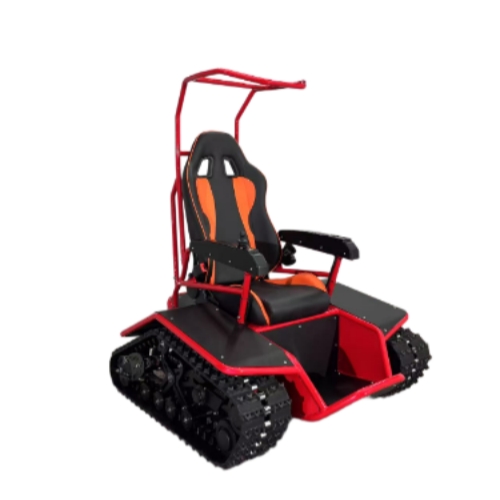
Buyers usually start looking for an Electric Tracked Vehicle only after conventional equipment has already disappointed them. Maybe the site is too muddy after rain. Maybe a wheeled unit slips on snow-covered ground. Maybe a low-clearance vehicle damages sensitive surfaces, gets stuck on soft soil, or struggles to move safely on a slope. In many cases, the issue is not simply “lack of power.” It is the mismatch between the ground conditions and the mobility system.
A tracked platform distributes weight more evenly and improves grip where tires tend to sink, spin, or lose confidence. When electric drive is added, the machine becomes quieter, smoother in low-speed control, and easier to use in places where fumes, noise, or fuel logistics are a burden. That combination makes an Electric Tracked Vehicle especially attractive for users who need reliable mobility but cannot afford daily interruptions.
The pain points are usually practical rather than theoretical:
- Vehicles get trapped in mud, sand, snow, or soft farmland
- Operators lose control on inclines or uneven surfaces
- Site access is narrow, unstable, or environmentally sensitive
- Engine noise disrupts work areas, tourism zones, or patrol tasks
- Fuel handling creates cost, downtime, and maintenance pressure
- One machine is expected to support multiple tasks without constant modification
This is where a well-designed Electric Tracked Vehicle changes the conversation. Instead of asking whether the machine can move, buyers can start asking whether it can keep moving consistently, safely, and economically across the terrain they actually face.
Section 02
Which Terrains Are Most Challenging for Conventional Vehicles?
Not all off-road conditions are equally difficult. Some environments punish traction. Others punish stability. Others quietly increase maintenance costs because dust, moisture, vibration, or impact become part of everyday operation. Buyers who understand their terrain profile make better decisions than buyers who focus only on appearance or speed.
| Terrain Condition | Main Operating Problem | Why a Tracked Electric Platform Helps |
|---|---|---|
| Mud and wet ground | Tires sink, spin, and lose forward movement | Tracks improve ground contact and reduce the chance of bogging down |
| Snow and icy surfaces | Reduced traction and unpredictable handling | Tracked movement improves stability and controlled progression |
| Loose sand or soft soil | Weight concentration causes sinking | Broader contact area supports movement over fragile ground |
| Steep slopes | Slip risk and unstable braking performance | Low-speed torque delivery and stronger surface grip improve control |
| Forest trails and uneven land | Obstacles, ruts, roots, and irregular surfaces interrupt travel | Tracked systems are better suited to rough, broken terrain |
| Sensitive work zones | Noise, exhaust, and surface damage create restrictions | Electric drive reduces emissions at point of use and lowers operating noise |
For many buyers, the challenge is not a single extreme condition. It is the fact that the terrain changes all day. A route may begin on compact ground, transition to gravel, cross wet patches, and finish on a slope. That is why flexibility matters so much. An Electric Tracked Vehicle is often chosen not because it is specialized for one surface, but because it remains dependable across many imperfect ones.
Section 03
What Features Should Buyers Examine Before Making a Decision?
A surprising number of buying problems happen because decision-makers compare the wrong data. They focus on exterior dimensions or a headline battery figure but ignore what actually affects field performance. A serious purchase should go much deeper.
The most important points to review include:
- Track system design — material quality, durability, replacement convenience, and traction behavior on the surfaces you use most
- Frame strength — a strong frame influences stability, payload confidence, and long-term reliability under repeated vibration and impact
- Battery capacity and charging logic — the real question is not battery size alone, but whether runtime matches your shift pattern
- Low-speed torque delivery — utility work often depends more on controlled pulling and climbing than on top speed
- Payload or cargo adaptability — can the machine carry the tools, goods, materials, or attachments your team uses every day
- Operator comfort — seat design, control layout, visibility, and ease of use affect productivity more than many buyers expect
- Maintenance accessibility — easy inspection and repair reduce downtime and improve fleet management
- Customization options — work conditions vary by region and application, so customization can be a decisive advantage
Buyers should also separate marketing language from operational meaning. “All-terrain” sounds attractive, but what matters is whether the vehicle can perform under your specific load, route distance, weather pattern, and maintenance reality. If your team runs in agricultural land, snow-covered access roads, recreational patrol areas, or utility routes, your purchase criteria should reflect those conditions directly.
What Should Be On Your Internal Review Checklist?
- Daily distance per shift
- Average and maximum payload
- Ground type in dry and wet seasons
- Slope frequency and incline range
- Charging access and turnaround expectations
- Need for seating, cargo support, trailer support, or special attachments
- Climate exposure such as snow, rain, heat, or dust
- Availability of technical support and spare parts
Section 04
How Does an Electric Tracked Vehicle Compare With Wheeled Alternatives?
Wheeled vehicles still make sense in many environments. They are often faster on firm roads, familiar to operators, and widely available. But when ground conditions become inconsistent, the comparison shifts. The right question is not “Which is better in general?” but “Which is better for the work conditions we face every week?”
| Comparison Point | Electric Tracked Vehicle | Conventional Wheeled Utility Vehicle |
|---|---|---|
| Traction on soft ground | Usually stronger and more stable | More likely to slip or sink |
| Performance on snow or mud | Better mobility in difficult surface conditions | Can become unreliable without ideal tires and conditions |
| Noise level | Typically lower during operation | Often louder, especially with combustion systems |
| Low-speed control | Smooth and precise for utility movement | Can be less refined in delicate terrain work |
| Surface pressure distribution | More favorable for fragile or soft ground | More concentrated load through tires |
| Road-speed convenience | Not always the main strength | Often better on hard, prepared surfaces |
If your work mostly happens on prepared roads, a wheeled machine may remain sufficient. But if your operating conditions are mixed, remote, slippery, or soft underfoot, an Electric Tracked Vehicle becomes a much stronger candidate. It reduces the operational penalties that wheeled machines often bring into unpredictable terrain.
Section 05
Where Can These Vehicles Create the Most Value?
One reason buyers are paying closer attention to the Electric Tracked Vehicle category is that the use cases are expanding. These machines are no longer limited to niche recreation or specialty transport. They now support a broad range of commercial and utility tasks where reliable mobility matters more than road speed.
Common applications include:
- Outdoor utility transport for tools, parts, and crew support in rough-access zones
- Agricultural and rural operations where soft ground and seasonal conditions disrupt standard vehicles
- Snow-region mobility for winter logistics, patrol work, and site support
- Forest, mountain, and trail operations that demand grip, stability, and low-speed precision
- Scenic, hunting, or recreational support where lower noise and better terrain handling are useful
- Inspection and maintenance work in large outdoor areas where operators need dependable access without excessive disturbance
This is also where manufacturer experience matters. LuckyRam Technology Co.,Ltd. has positioned its tracked and electric vehicle offerings around practical mobility, all-terrain adaptability, and application diversity. For buyers, that matters because a supplier that understands vehicle design in multiple terrain-focused categories is often better prepared to support customized requirements, usage-based recommendations, and long-term cooperation.
Section 06
How Can Buyers Avoid the Most Common Purchasing Mistakes?
The most expensive mistake is not always buying the wrong machine. Sometimes it is buying a machine without defining the job clearly enough. When expectations are vague, disappointment becomes almost inevitable.
Here are the mistakes buyers should actively avoid:
-
Choosing by appearance instead of operating conditions
A machine can look rugged and still be a poor fit for your route, payload, or work cycle. -
Ignoring battery planning
Runtime must match daily workload, not just brochure expectations. -
Underestimating payload and accessory needs
A vehicle that moves well but cannot support your cargo requirements will create workflow inefficiency. -
Assuming all tracked systems perform the same
Track quality, frame structure, drive tuning, and build consistency can vary widely. -
Failing to ask about customization
In real operations, seat layout, cargo structure, storage design, or terrain adaptation may need adjustment. -
Overlooking service support
Spare parts, technical response, and communication can be just as important as the initial specification sheet.
A better buying process begins with a simple discipline: describe the actual job before comparing products. If you tell a supplier exactly where the vehicle will run, what it will carry, how long it needs to operate, and what problems your current solution creates, the conversation becomes much more productive.
Section 07
Why Does the Manufacturer Matter as Much as the Machine?
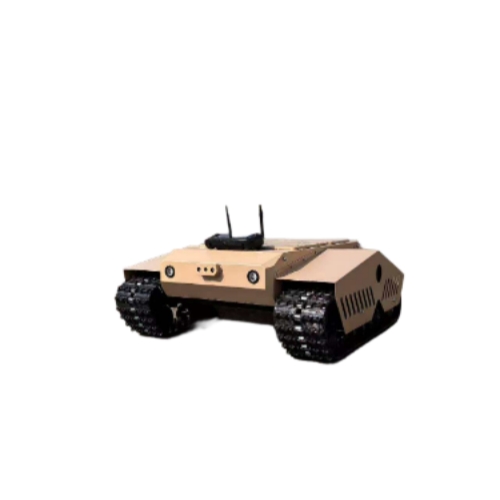
Buyers often spend most of their time discussing performance data and too little time assessing the supplier. But if you are investing in an Electric Tracked Vehicle for demanding fieldwork, the manufacturer is not a background detail. The manufacturer influences build consistency, communication quality, customization speed, spare-part continuity, and the confidence you have after the order is placed.
A capable supplier helps you move beyond generic sales language. They can explain how their frame design supports reliability, how their product configuration aligns with terrain-specific use, what optional structures can be adapted for your operation, and how they support ongoing maintenance. That is why many buyers prefer to work with a company that has clear experience in electric and terrain-oriented vehicle categories.
LuckyRam Technology Co.,Ltd. is one of the names that buyers may evaluate when looking for this kind of solution. The company’s product focus suggests an understanding of off-road electric mobility, tracked configurations, and application-driven vehicle development. For buyers, that kind of specialization is useful because it supports more informed discussions about suitability rather than generic quoting alone.
Section 08
FAQ
Is an Electric Tracked Vehicle suitable for commercial work rather than just recreation?
Yes. Many buyers consider it for utility transport, inspection, maintenance, agriculture, snow-region support, and other demanding outdoor tasks where dependable traction and controlled movement matter.
What should I compare first when choosing an Electric Tracked Vehicle?
Start with terrain, payload, runtime, slope conditions, and support requirements. These factors influence whether a machine will perform well in daily use.
Do electric tracked vehicles reduce operating inconvenience?
They often do. Users may benefit from quieter operation, smoother control, and less dependence on fuel handling, especially in environments where noise and maintenance simplicity matter.
Which industries benefit most from this type of vehicle?
Outdoor utilities, agriculture, forestry support, winter operations, recreational facilities, site maintenance teams, and terrain-sensitive transport tasks are all strong candidates.
Can customization make a major difference?
Absolutely. Seating layout, cargo options, attachments, and regional adaptations can significantly improve fit for the buyer’s actual use case.
Final Section
What Should You Do Next?
If your current vehicle struggles with mud, snow, soft soil, steep access routes, or daily field reliability, now is the right time to evaluate whether an Electric Tracked Vehicle is the more practical solution. A better machine does more than move forward — it protects your schedule, reduces unnecessary interruption, and helps your team work with greater confidence across difficult terrain.
If you want to explore a model that matches your working environment, payload needs, and operating conditions, contact us and talk with LuckyRam Technology Co.,Ltd. about a solution built for real-world terrain challenges.
Send Inquiry



X
We use cookies to offer you a better browsing experience, analyze site traffic and personalize content. By using this site, you agree to our use of cookies.
Privacy Policy