

- English
 Español
 Português
 русский
 Français
 日本語
日本語 Deutsch
 tiếng Việt
 Italiano
 Nederlands
 ภาษาไทย
 Polski
 한국어
한국어 Svenska
 magyar
 Malay
Malay বাংলা ভাষার
 Dansk
Dansk Suomi
Suomi हिन्दी
 Pilipino
 Türkçe
 Gaeilge
 العربية
 Indonesia
 Norsk
Norsk تمل
تمل český
český ελληνικά
 український
 Javanese
 فارسی
فارسی தமிழ்
தமிழ் తెలుగు
 नेपाली
 Burmese
 български
 ລາວ
ລາວ Latine
 Қазақша
 Euskal
 Azərbaycan
 Slovenský jazyk
 Македонски
 Lietuvos
 Eesti Keel
 Română
 Slovenski

Why Is a Transport Robot Becoming the Essential Solution for Modern Material Handling
In today's fast-paced manufacturing, warehousing, and logistics industries, companies are under constant pressure to improve efficiency while reducing labor costs and operational risks. A Transport Robot has emerged as one of the most effective solutions for automated material movement, helping businesses streamline workflows, enhance workplace safety, and achieve higher productivity.
Whether operating in factories, distribution centers, hospitals, or smart warehouses, Transport Robots are transforming how goods are moved from one location to another. This comprehensive guide explores everything you need to know about Transport Robots, including their working principles, advantages, applications, technological innovations, and future trends.
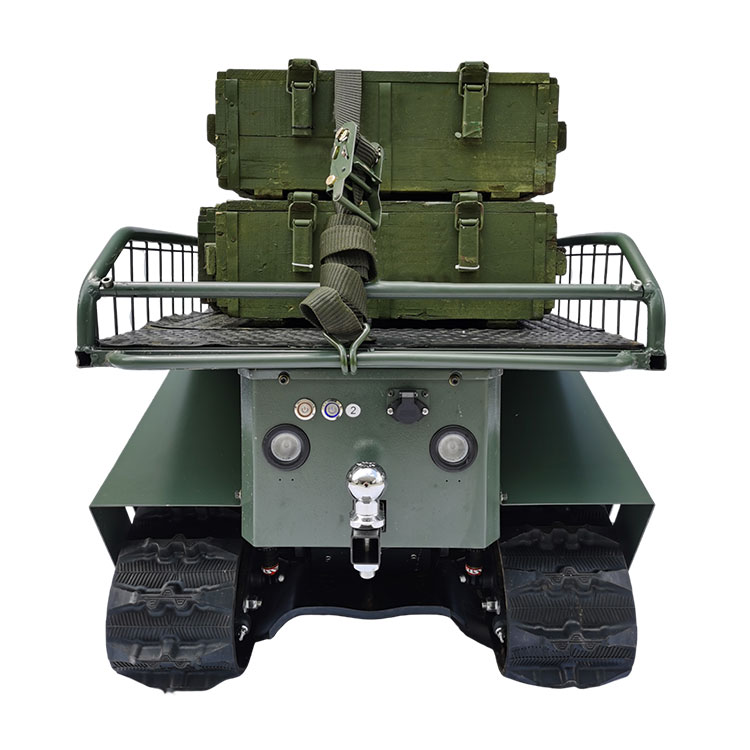
Table of Contents
- What Is a Transport Robot?
- How Does a Transport Robot Work?
- What Are the Key Features of a Transport Robot?
- Why Are Businesses Investing in Transport Robots?
- Where Are Transport Robots Commonly Used?
- Transport Robot vs Traditional Material Handling Methods
- How to Choose the Right Transport Robot?
- What Is the Future of Transport Robot Technology?
- Frequently Asked Questions
- Conclusion
What Is a Transport Robot?
A Transport Robot is an autonomous or semi-autonomous mobile robotic system designed to transport materials, products, tools, or components between different locations without human intervention.
Unlike traditional forklifts or manual carts, a Transport Robot can intelligently navigate through complex environments using advanced sensors, mapping technologies, and onboard control systems.
These robots are commonly integrated into Industry 4.0 environments where automation, data collection, and intelligent decision-making are essential.
How Does a Transport Robot Work?
A Transport Robot combines multiple technologies to ensure safe and efficient movement throughout a facility.
Main Components
- Navigation Sensors
- Laser Scanners
- LiDAR Systems
- Obstacle Detection Cameras
- Control Software
- Battery Management System
- Drive Motors
- Wireless Communication Module
The robot receives transportation tasks from a central management system, calculates the optimal route, detects obstacles in real time, and safely delivers materials to designated locations.
Advanced Transport Robots can dynamically adjust routes and coordinate with multiple robots operating simultaneously within the same facility.
What Are the Key Features of a Transport Robot?
Modern Transport Robots provide numerous intelligent features that enhance operational performance.
| Feature | Function | Business Benefit |
|---|---|---|
| Autonomous Navigation | Self-guided movement | Reduces manual labor |
| Obstacle Avoidance | Real-time hazard detection | Improves safety |
| Automatic Charging | Self-docking charging capability | Maximizes uptime |
| Fleet Management | Coordinates multiple robots | Improves efficiency |
| Wireless Connectivity | Data exchange with ERP/MES systems | Smart factory integration |
| Load Handling | Transports heavy materials | Reduces worker fatigue |
Why Are Businesses Investing in Transport Robots?
The growing adoption of Transport Robot technology is driven by several operational and financial advantages.
1. Increased Productivity
Transport Robots work continuously without breaks, allowing facilities to maintain stable production and logistics operations around the clock.
2. Lower Labor Costs
Automating repetitive transportation tasks reduces dependency on manual labor while enabling employees to focus on higher-value activities.
3. Improved Workplace Safety
Built-in safety sensors help prevent collisions, reducing workplace accidents and equipment damage.
4. Consistent Performance
Unlike human-operated equipment, a Transport Robot follows precise routes and standardized procedures every time.
5. Better Space Utilization
Many robots are compact enough to operate in narrow aisles and confined environments where traditional forklifts struggle.
Where Are Transport Robots Commonly Used?
Transport Robots are increasingly utilized across various industries.
Manufacturing Facilities
- Raw material delivery
- Assembly line feeding
- Finished goods transportation
- Tool and component movement
Warehouses and Distribution Centers
- Order fulfillment
- Inventory transportation
- Pallet movement
- Cross-docking operations
Hospitals
- Medication delivery
- Medical supply transport
- Laundry transportation
- Waste collection
Automotive Industry
- Parts delivery
- Production line support
- Warehouse logistics
Electronics Manufacturing
- PCB transportation
- Sensitive component handling
- Automated assembly support
Transport Robot vs Traditional Material Handling Methods
| Criteria | Transport Robot | Traditional Methods |
|---|---|---|
| Automation Level | High | Low |
| Labor Requirement | Minimal | High |
| Operational Accuracy | Excellent | Variable |
| Safety Performance | Advanced | Operator Dependent |
| 24/7 Operation | Yes | Limited |
| Data Collection | Real-Time | Manual |
For organizations seeking long-term efficiency improvements, Transport Robot systems often provide a faster return on investment compared with conventional transportation equipment.
How to Choose the Right Transport Robot?
Selecting the appropriate Transport Robot requires evaluating several critical factors.
Load Capacity
Determine the maximum weight the robot must transport regularly.
Navigation Technology
Choose between magnetic guidance, QR code navigation, SLAM navigation, or LiDAR-based autonomous systems.
Operating Environment
Consider aisle width, floor conditions, traffic density, and facility layout.
Battery Life
Longer operating time helps reduce interruptions and improve productivity.
Software Integration
Ensure compatibility with ERP, MES, WMS, and factory automation systems.
After-Sales Support
Reliable technical support and maintenance services are essential for long-term success.
Companies working with Luckyram benefit from professional engineering support, customized robotic solutions, and comprehensive after-sales service throughout the project lifecycle.
What Is the Future of Transport Robot Technology?
The future of Transport Robot development is closely linked to advancements in artificial intelligence, machine learning, and industrial IoT technologies.
Emerging Trends
- AI-powered route optimization
- Collaborative robot fleets
- Cloud-based monitoring
- Predictive maintenance systems
- 5G-enabled communication
- Digital twin integration
- Enhanced human-robot collaboration
As smart factories continue expanding worldwide, Transport Robots will play a central role in achieving fully automated logistics operations.
Frequently Asked Questions
What industries benefit most from Transport Robots?
Manufacturing, warehousing, automotive, electronics, pharmaceuticals, healthcare, and logistics industries benefit significantly from Transport Robot deployment.
Can a Transport Robot operate without human supervision?
Yes. Most modern Transport Robots are designed for autonomous operation and can safely navigate facilities using advanced sensors and intelligent software.
How much weight can a Transport Robot carry?
Load capacities vary depending on the model, ranging from a few kilograms to several tons.
Are Transport Robots safe around workers?
Yes. Safety features such as LiDAR scanners, emergency stop systems, collision avoidance sensors, and intelligent speed control ensure safe operation near personnel.
Can Transport Robots integrate with warehouse management systems?
Most advanced Transport Robots support integration with WMS, MES, ERP, and smart factory platforms.
How quickly can a company achieve ROI?
Many businesses achieve return on investment within one to three years depending on operational scale, labor costs, and productivity improvements.
Conclusion
A Transport Robot is no longer a luxury reserved for large enterprises. It has become a practical and highly effective solution for companies seeking greater efficiency, enhanced safety, lower operational costs, and smarter material handling processes. As automation continues to reshape modern industries, Transport Robots will remain a key driver of productivity and competitiveness.
Ready to upgrade your facility with advanced robotic transportation solutions? Contact us today to discover how Luckyram can help you implement the ideal Transport Robot system for your specific application. Our experienced team is ready to provide customized recommendations, technical support, and complete project assistance to help your business move toward a smarter automated future.
Send Inquiry



X
We use cookies to offer you a better browsing experience, analyze site traffic and personalize content. By using this site, you agree to our use of cookies.
Privacy Policy